Team Gillman Volkswagen is proud to announce that on October 27, 2025, Volkswagen of America celebrated something almost no other import brand has: Its 70th anniversary of selling cars in the US.
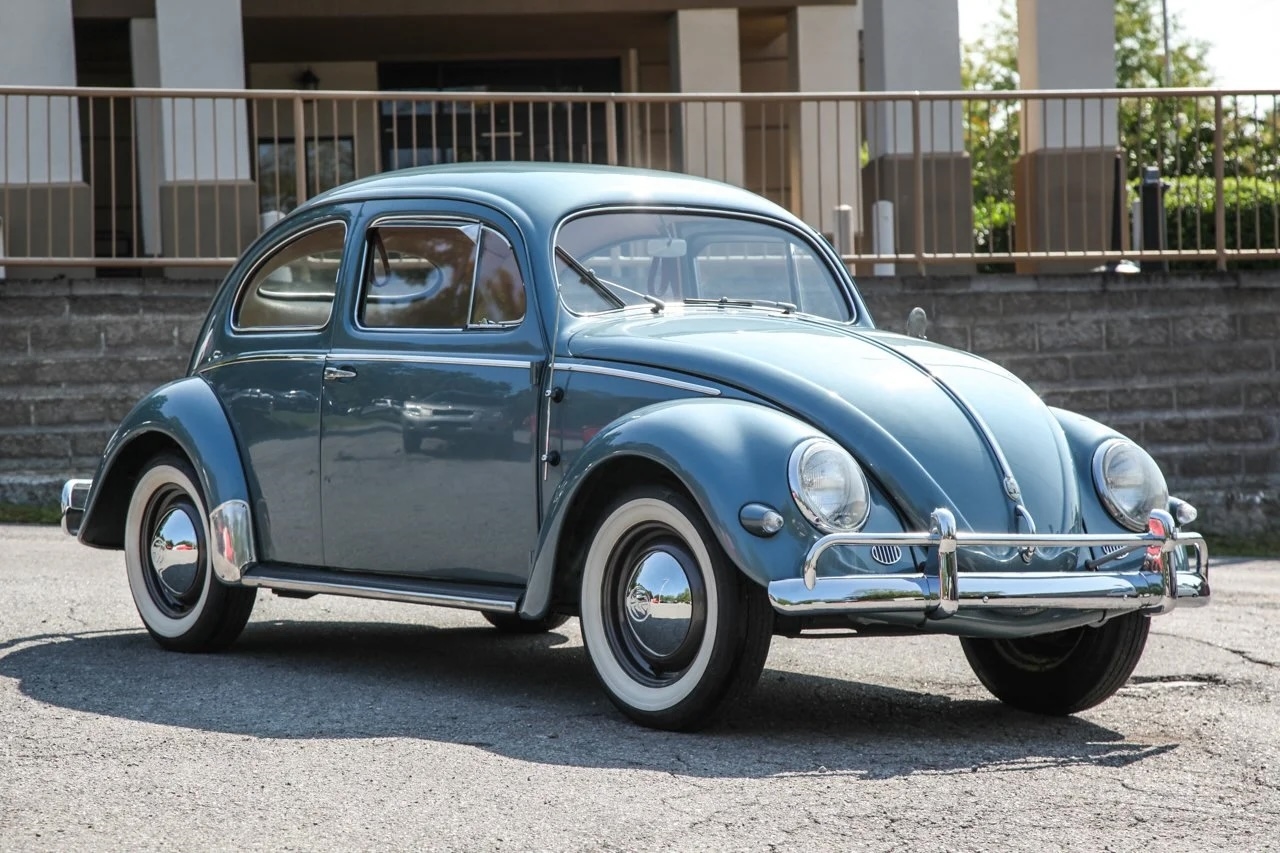
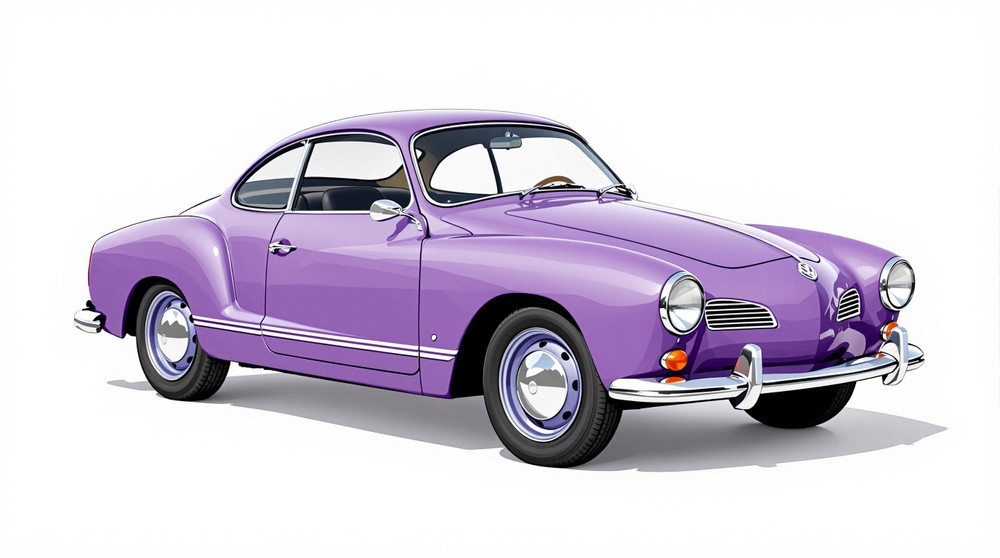
The history of Volkswagen in the US actually begins a bit earlier when Dutch businessman Ben Ponn brought two Volkswagen Type I models (later known as the Beetle) to New York in 1949. That was just four years after WWII, and Mr. Ponn failed to establish a dealer network but caught the interest of Max Hoffman. Hoffman was a successful New York dealer who started setting up a sales network to sell both the Type I and the Type II, built on the same platform. The Type II is known by several names, such as Transporter, Kombi, and Bulli, but is best known in the US as the Microbus. Six years later, on October 27, 1955, Volkswagen of America was established in Eagle Cliffs, New Jersey, and sold 50,000 Type I and Type II models the next year, followed by the addition of the Karmann Ghia sport coupe and convertible.
Counterculture Icons
32-year-old Carl Hahn took over VWoA in 1959, and his most famous move was hiring the Doyal Dane Bernbach advertising agency to promote the vehicles. DDB realized that these unconventional cars needed an unconventional campaign. They created simple print ads with a humble black Beetle against white space under headlines such as "Think Small" (a parody of IBM's "Think Big" slogan) and "Lemon," referring to a unit that didn't pass VW's rigorous product testing. These and similar ads made VW the anti-establishment brand in the 60s, featuring humble but useful vehicles in contrast to an industry promoting status and excess. And it came just as the first baby boomers were developing anti-establishment feelings that fueled much of the counterculture of that decade.
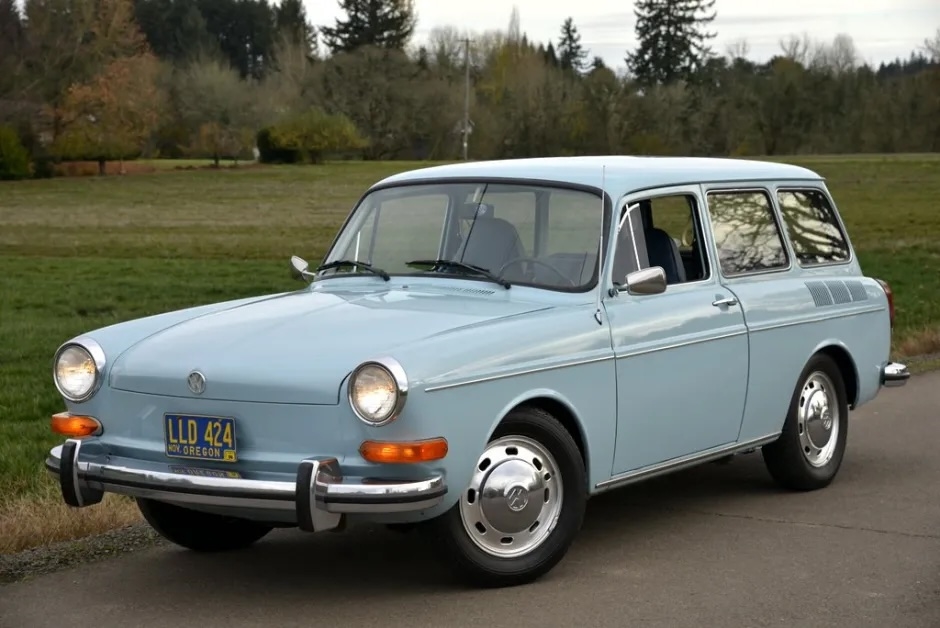
The Beetle and Microbus became counterculture icons, and sales skyrocketed. Meanwhile, VW was maximizing the potential of its rear, air-cooled engine platform. A Beetle convertible was introduced, featuring a folded top that stacked behind the cabin, similar to the lowered top of a hoodie. The Type II lineup was expanded to include 2- and 4-door pickup trucks. Then came the Type III, a series of more squared-off 2-door models in sedan, fastback, and wagon styles. Less successful was the Type 4, introduced in 1968, which included 4-door sedan and wagon models. These were built on a larger platform but still used an air-cooled, rear-mounted engine.
New Vehicles for a New Era
By 1970, VW sales reached a record high of 569,696 vehicles. The 1970s brought concerns about air pollution, with cities shrouded in smog, and in 1973, the first significant increase in gas prices occurred. Already, there was growing competition in the small car market from US automakers, other European brands, and especially Japanese automakers.
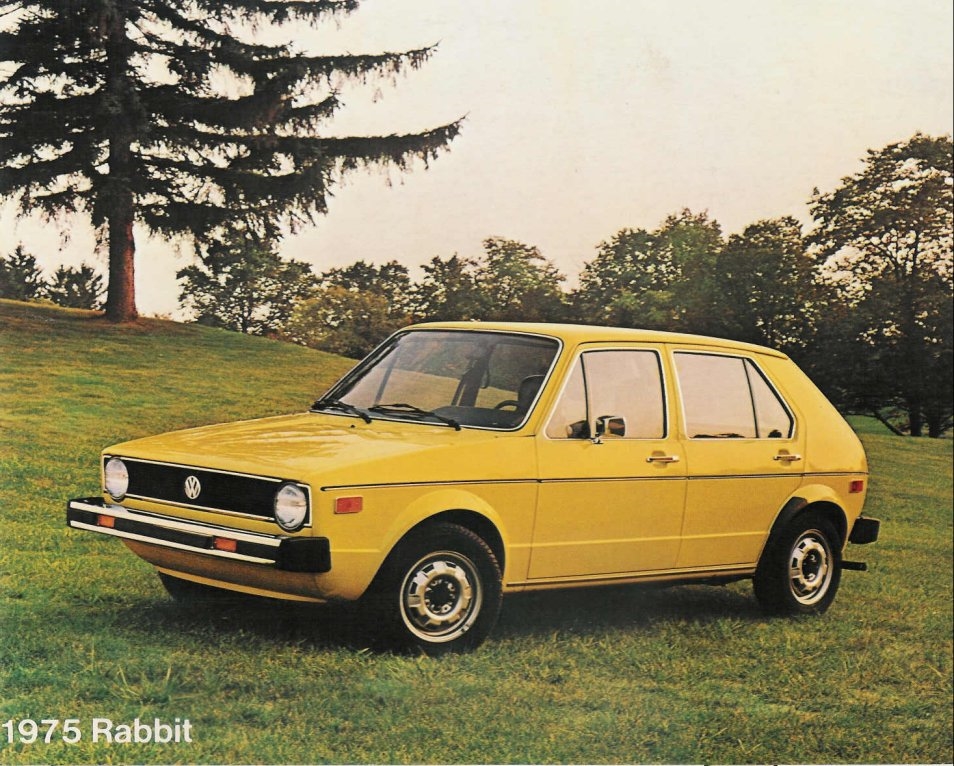
VW was prepared, and in May of 1974, the brand introduced the Golf (originally called the Rabbit in the US). This model was quite different from anything VW had sold in the US up to that point. The body was unibody (compared to the body-on-frame Types 1, 2, and 3), the engine was water-cooled, mounted in the front, and drove the front wheels. Available as either a 2-door or 4-door hatchback, the Rabbit might not have had the same cultural status as its predecessor, but it better met the needs of drivers with more power, room, utility, and features. Once again, VW expanded the platform to create the Jetta sedan, which became VW's best-selling model in the US during the 80s, as well as the Scirocco sport coupe and even a Rabbit pickup.
Investing in the US
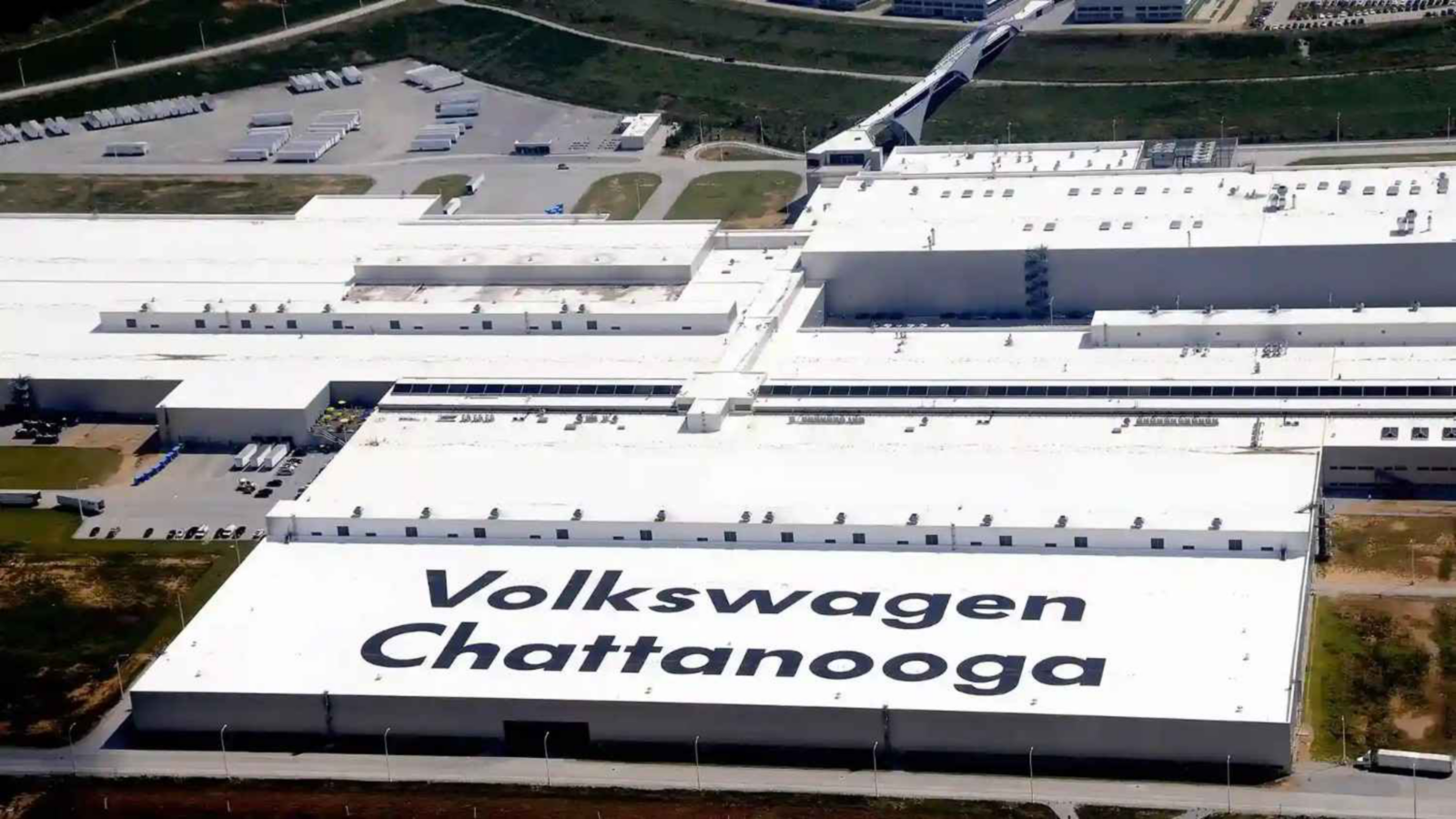
In 1978, Rabbits also began to be bred domestically in Westmoreland, Pennsylvania. That plant produced 1.1 million vehicles before closing a decade later. Twenty years later, VWoA resumed its US assembly operations with a state-of-the-art plant in Chattanooga, Tennessee. The plant manufactured nearly 800,000 Passat sedans and wagons over a decade and has since expanded to assemble the Atlas and Atlas Cross Sport SUVs, as well as the all-electric ID.4 SUV. Representing over $2.7 billion in total investment, the Chattanooga campus has expanded to include VWoA's North American Engineering and Planning Center and Battery Engineering Lab, employing more than 4,000 people overall.
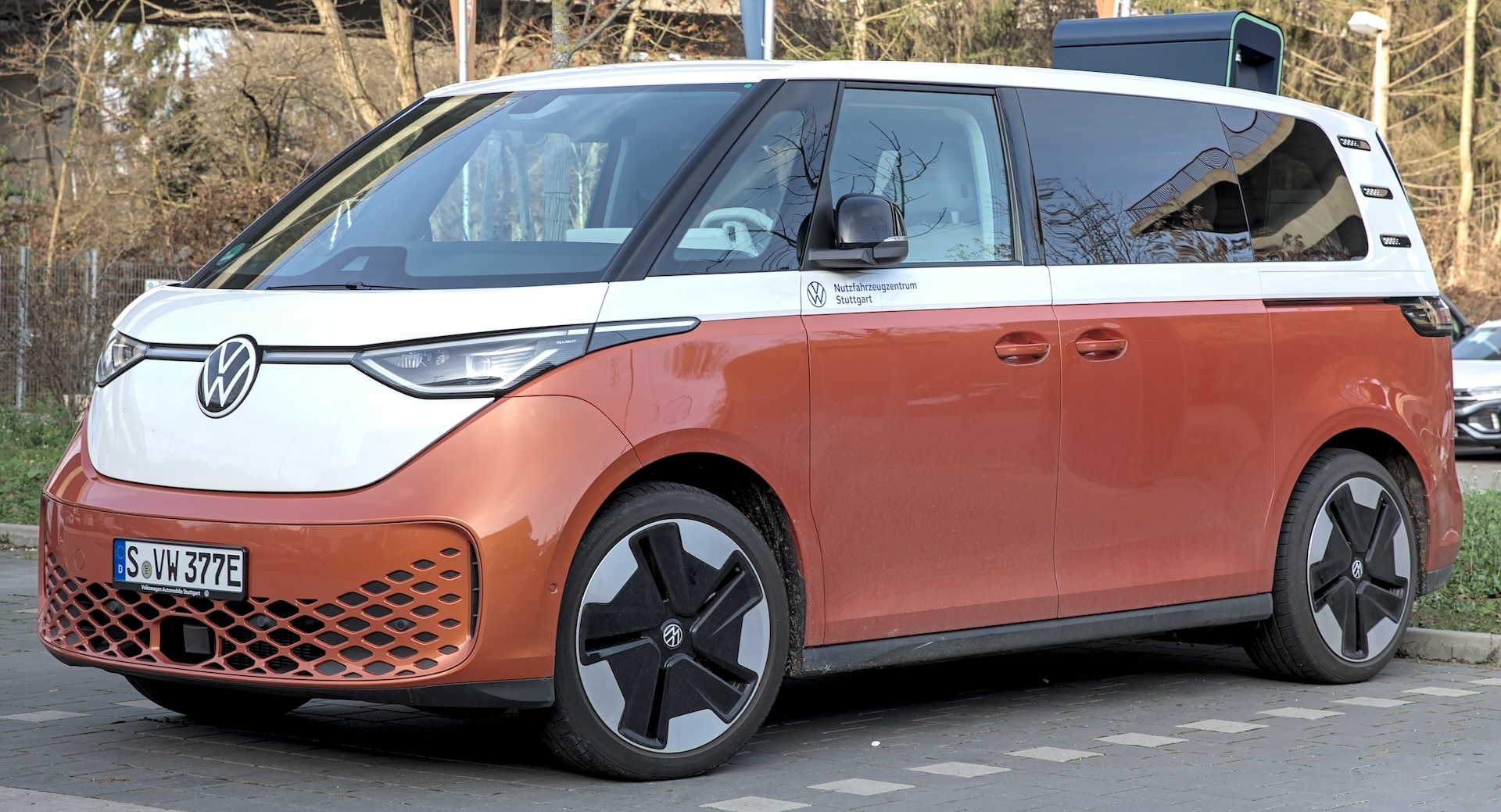
An EV Leader
Today, VWoA aims to become one of the leading EV providers in the country and was among the first manufacturers to heavily invest in EV charging infrastructure. The ID.4 and ID. Buzz are already available, with more models on the way as EV acceptance grows. Meanwhile, the brand offers attractive crossovers of all sizes, including the Taos, Tiguan, and Atlas, as well as the most performance-oriented versions of the 8th-generation Golf.
Over the decades, the VW Group, which now includes brands such as Audi, Porsche, Bentley, the upcoming Scout EV brand, along with several other European brands, has become Europe's largest automaker and is among the world's biggest.
If you are curious about what 70 years of innovation and unconventional thinking have led to, visit Team Gillman Volkswagen and check out the impressive VW model line.