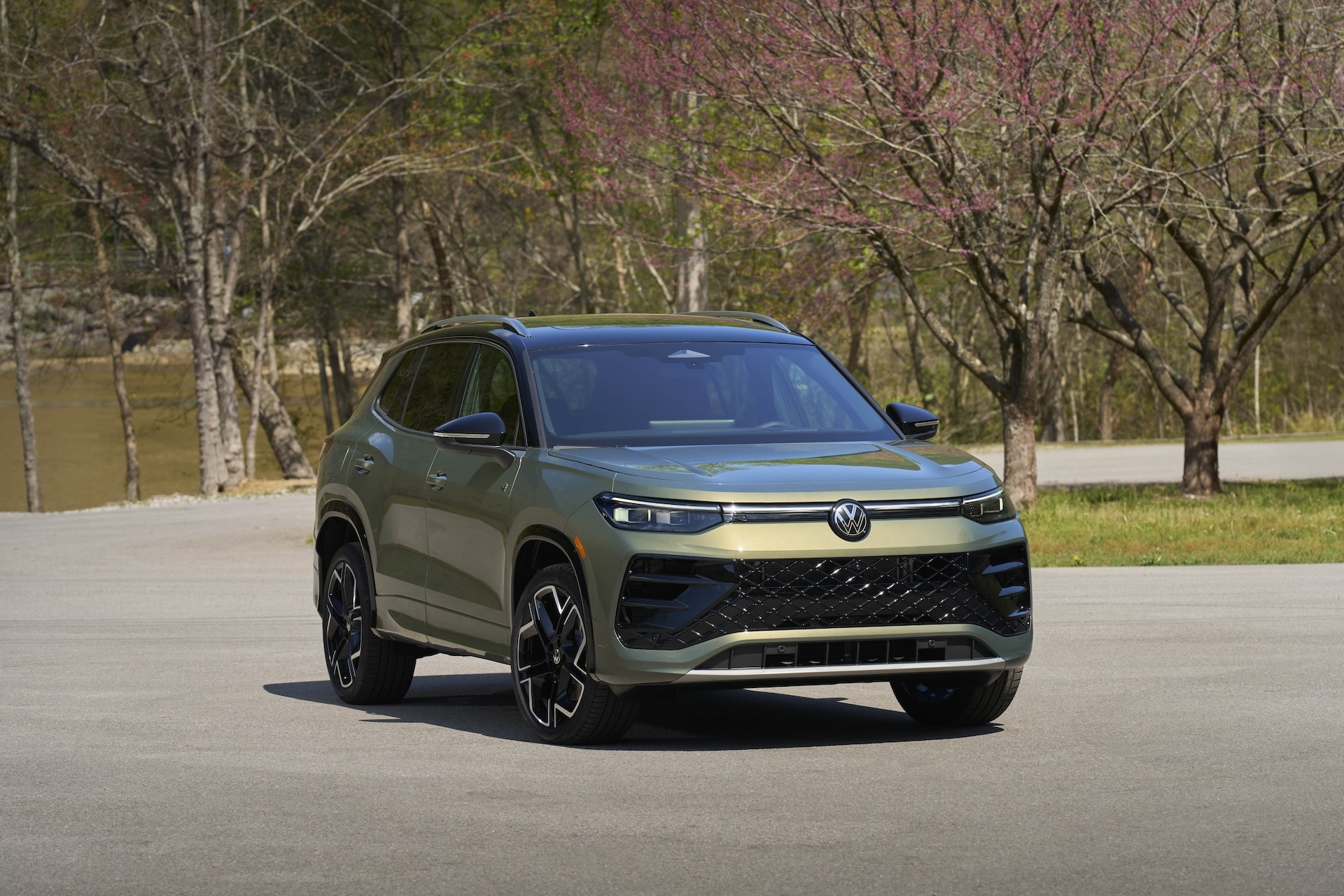
Since their latest redesigns, the Volkswagen Taos and Tiguan crossover models sure do look similar. One can easily understand mistaking one for the other on the road or even in the Team Gillman Volkswagen of Kingwood inventory. Both are crossovers that seat five people and showcase unique craftsmanship. Although they are two different models in separate vehicle categories, Volkswagen has a history of blending category lines. To save you from jumping back and forth between specs, this post will highlight the main differences between each model.
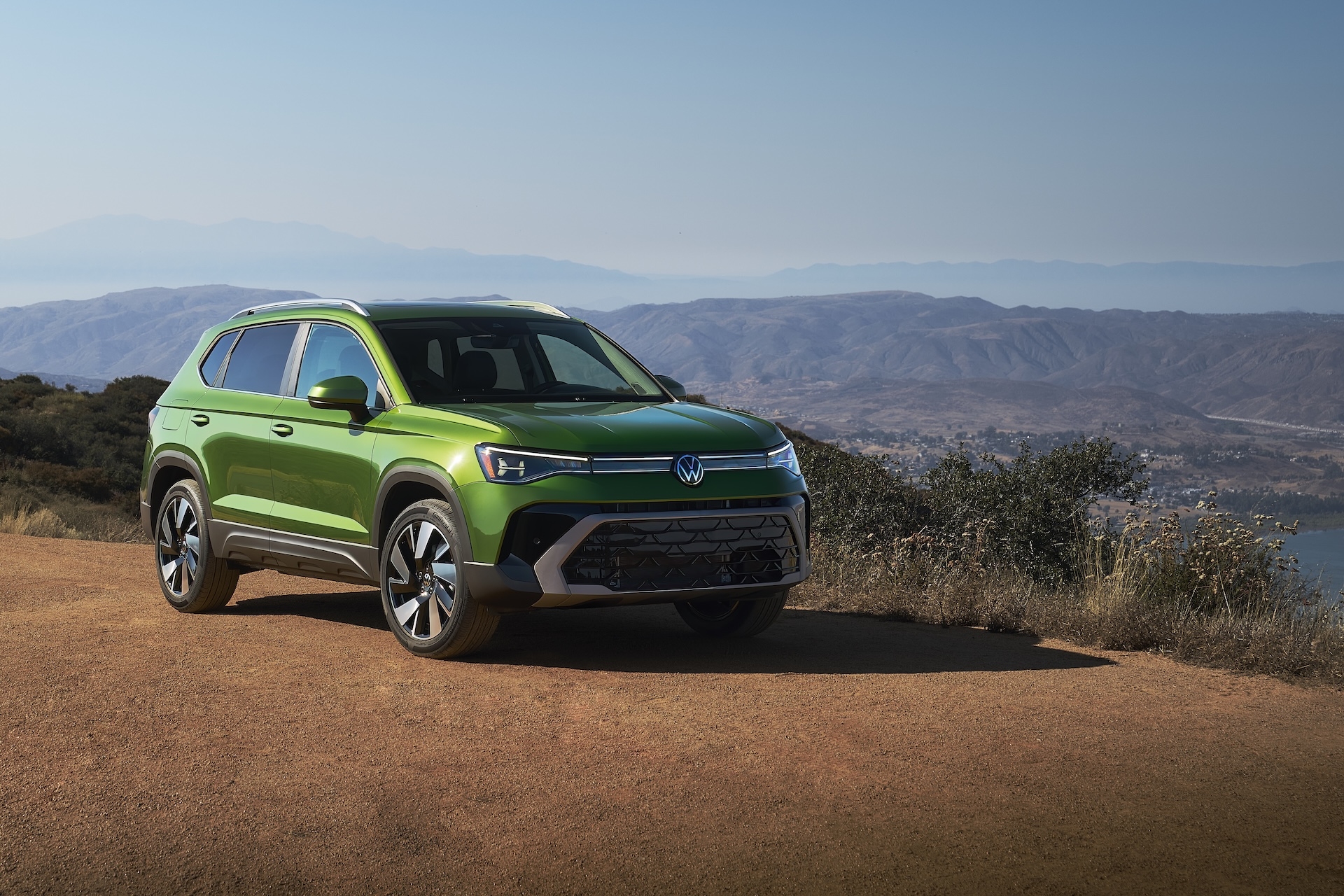
The Tiguan is in the compact crossover class, which is the middle of three crossover categories that seat five. The Taos is slightly smaller, representing the company's entry in the sub-compact class. Therefore, the Tiguan is generally a larger vehicle. It has a four-inch-longer wheelbase, is 8.5 inches longer overall, and is about 1.6 inches taller. One reason the vehicles look so similar, especially from the front or rear, is that they differ by only half an inch in width, with the Taos at 72.5 inches (without mirrors) and the Tiguan at 73.0 inches.
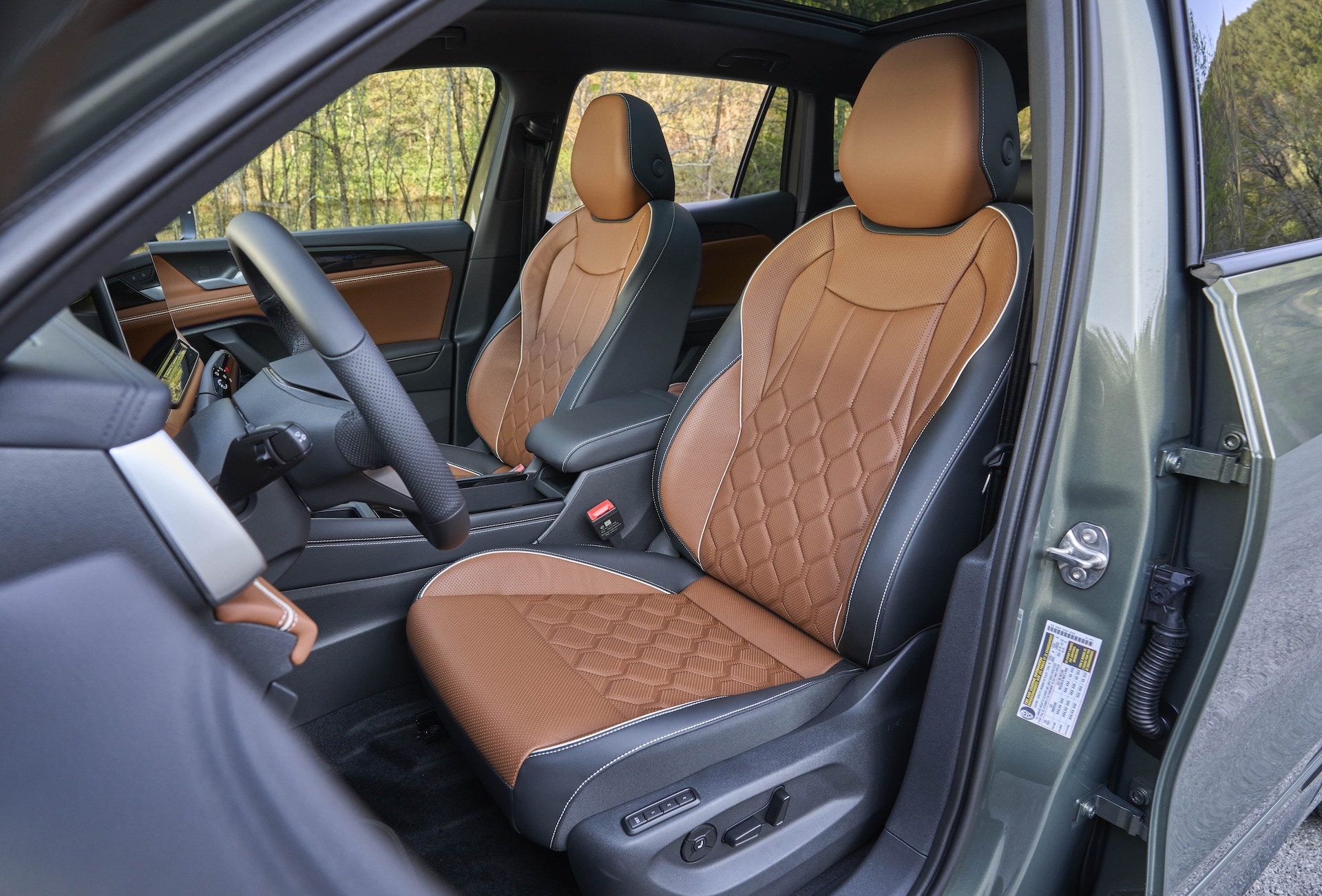
Those dimensions are reflected in the cabin, where the Tiguan has just 0.5 inches more front shoulder room, which shrinks to a largely negligible 0.2 inches in rear shoulder room. Front legroom is also essentially the same, and the Taos actually has a bit more headroom in the front (40.7 vs. 39.5 inches) and ever-so-slightly more in the rear (39.8 vs 39.7 inches). On the other hand, the extra length of the Tiguan pays off with 2.3 inches more legroom for rear passengers (40.2 vs. 37.9 inches). Behind the rear seats lies another significant difference: the Tiguan offers 33.8 cubic feet of cargo space, compared to 27.9 cubic feet in the Taos. Fold the seats down, and that 5.9 cubic foot difference narrows to 3.9 (69.8 vs 65.9 cubic feet).
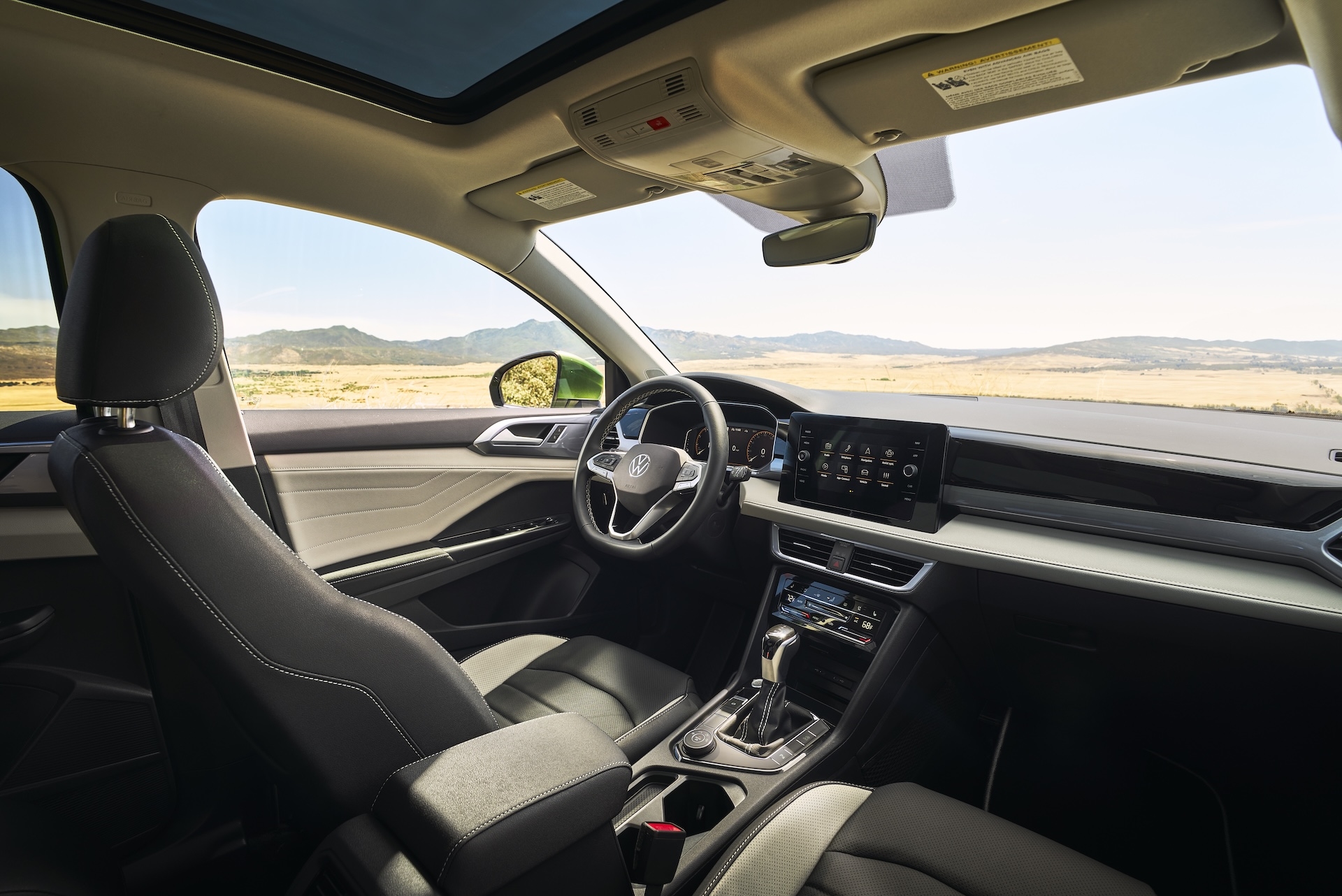
The greater overall size of the Tiguan means a 362-pound weight difference (comparing base models), and consequently, it has a larger engine to compensate. The Tiguan is powered by a 2.0-liter turbocharged inline-4 engine compared to a 1.5-liter turbocharged inline-4 for the Taos. It’s 33% more displacement for 15% more horsepower 201 vs. 174) and 12% more peak torque (207 vs. 184 lb-ft), though it is worth noting that the torque of the Tiguan peaks at just 1,500 rpm compared to 1,750 for the Taos. That leaves the Tiguan with a slightly better weight-to-power ratio of 17.7 lb/hp, compared to 18.4 lb/hp for the Taos. (FWD models). On the other hand, the Taos has better fuel economy than the Tiguan by two mpg across the board (28 city/ 36 highway / 31 combined vs. 26 / 34 / 29) for FWD models. Both models use the same 8-speed transmission and have standard FWD, with AWD available on all trims.
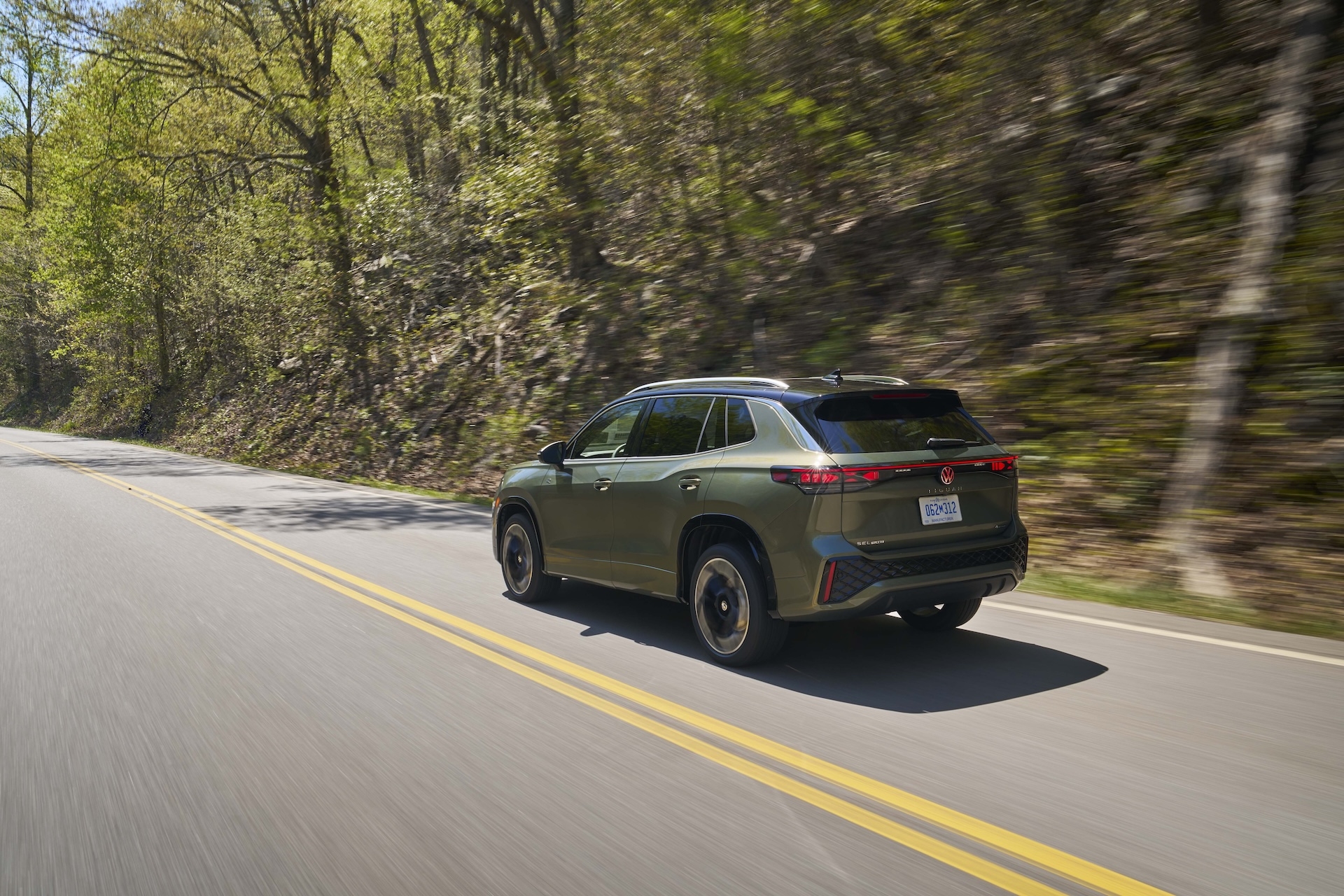
It's a larger vehicle, so naturally, the Tiguan has a higher MSRP. It starts at $30,805 compared to $26,500 for the Taos. You get more than just size and power for the price, as the base models of the Tiguan come with standard features like navigation, satellite radio, parking sensors, and heated front seats, which require upgrades on the Taos. The price ranges for both model lines overlap a bit, so eventually, it comes down to size versus features at a similar price point.
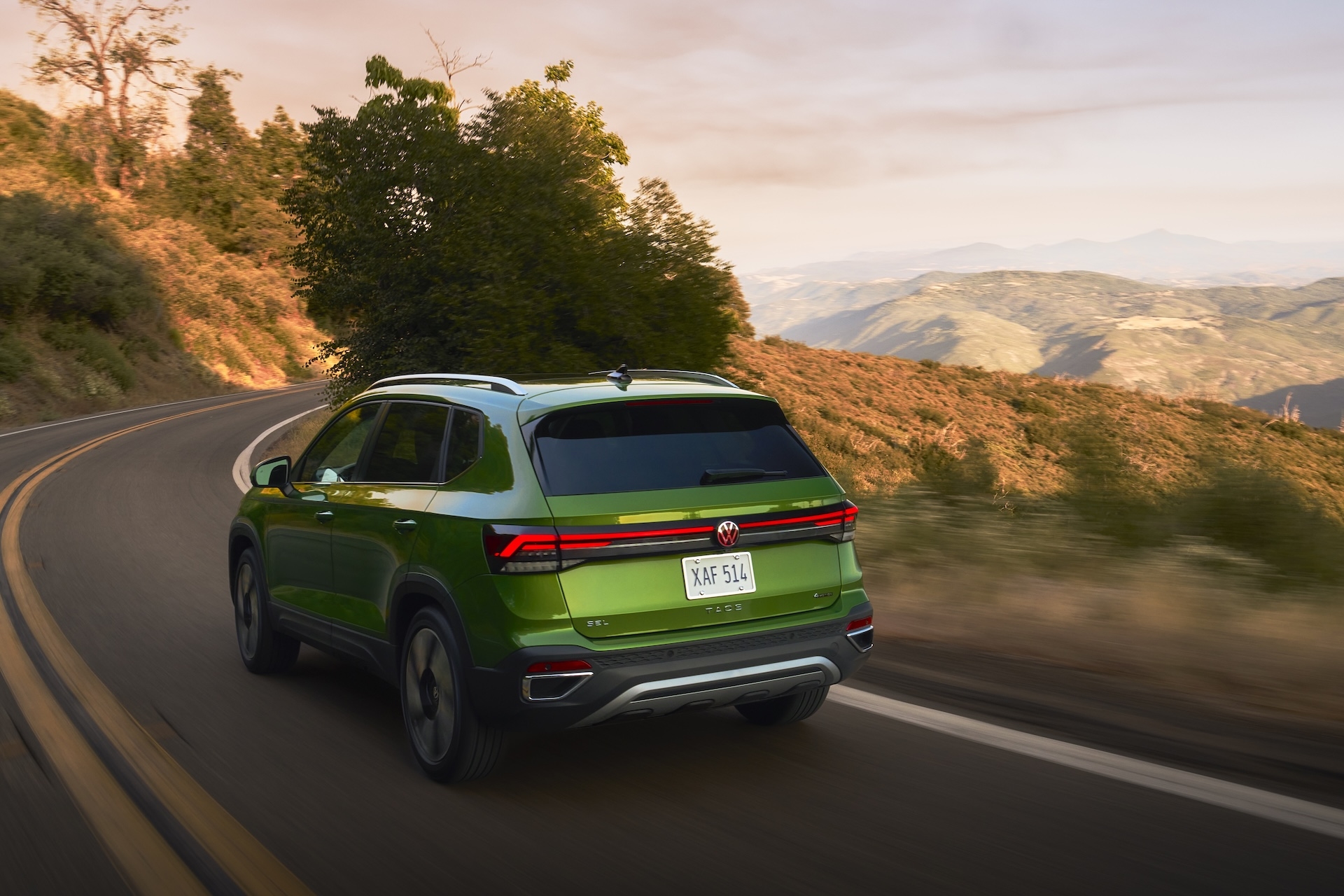
Either way you choose, you will have a German-designed and tuned crossover that looks beyond its price point and will age well even after the payments have ended. It is probably worth sampling them both, which, if you live in the Houston area, particularly the north side, we invite you to do at Team Gillman Volkswagen of Kingwood.